
Outbound AI in 2026: What It Actually Means and Why Most Tools Get It Wrong
Outbound AI explained — what it means in 2026, which use cases it covers, how platforms differ, and why the tool-vs-platform distinction matters.
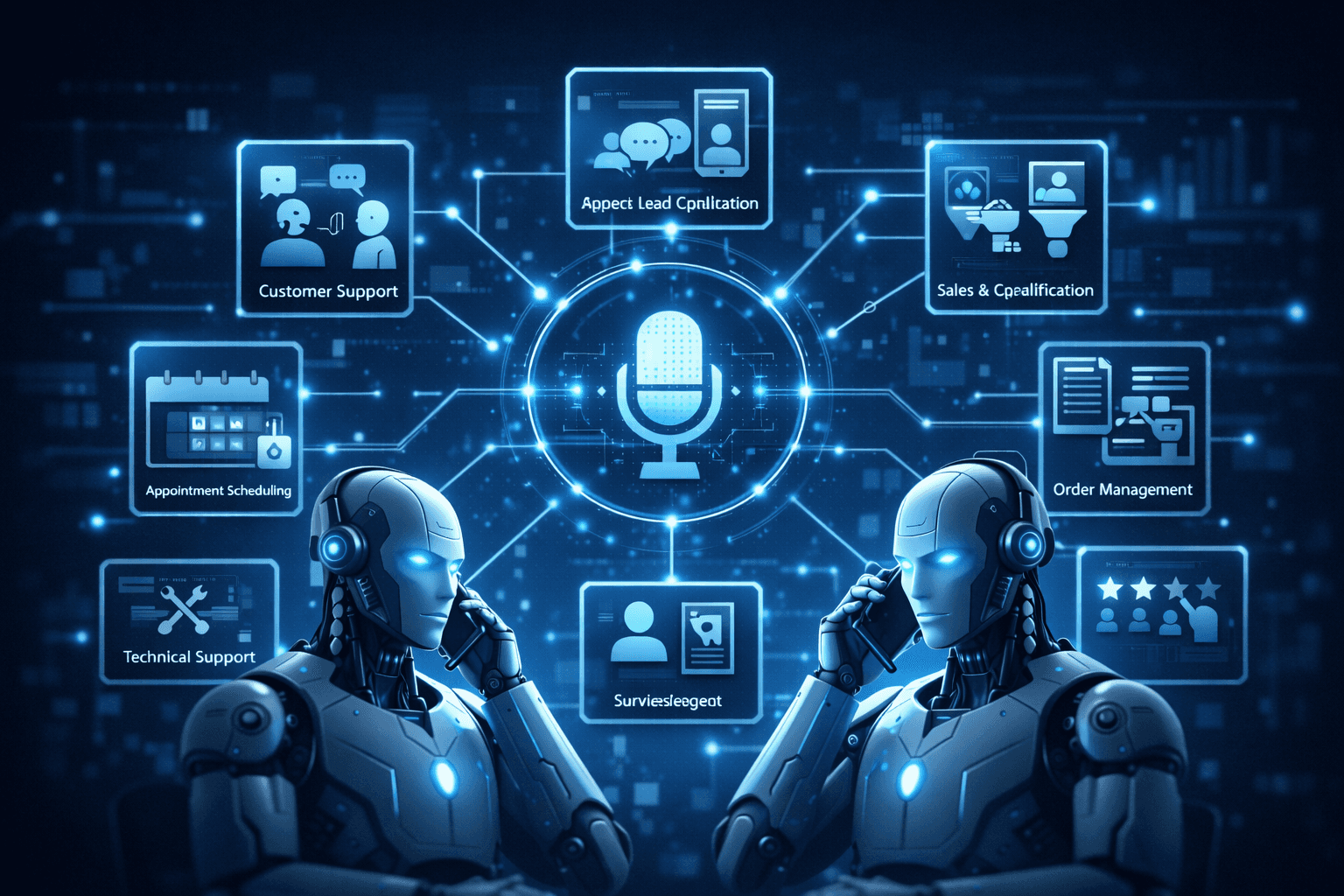
Direct answer: Outbound AI refers to artificial intelligence systems that proactively reach out to prospects — making calls, sending messages, or triggering communications without waiting for inbound intent. In 2026, the meaningful dividing line is between AI voice tools (which require developers to build outbound workflows) and AI outbound platforms (which include everything a sales team needs out of the box, ready to use without code).
The Problem With "Outbound AI" as a Category
Search for "outbound AI" and you'll find a mix of things: developer APIs for building voice agents, TTS tools, general sales automation platforms, and a handful of tools actually built for outbound calling campaigns. The category name is broad enough to mean almost anything.
It's worth being precise about what outbound AI actually requires to be useful for a sales team.
True outbound AI capability includes:
A way to define and configure the AI agent without coding
Campaign management — lead lists, calling windows, follow-up logic
Real-time conversation with dynamic objection handling
An action after the conversation — booking, transfer, or qualification
Data capture and CRM sync after each call
Volume — the ability to run hundreds of calls simultaneously
Most tools in the "outbound AI" space cover one or two of these. Very few cover all six without requiring developer involvement.
What Outbound AI Covers in 2026
Outbound AI isn't just cold calling. Here are the main use cases where it's generating real results:
Cold Calling at Scale
The most obvious use case. Upload a prospect list, configure your AI agent, set calling windows, and the platform makes 200–500 calls per day — while your human team focuses on inbound inquiries and closing.
The key difference from earlier "AI calling" tools: the conversation is genuinely dynamic. Modern platforms use models fine-tuned for objection handling. When a prospect says "we already use a competitor," the AI doesn't just say "okay, goodbye" — it acknowledges, pivots, and continues the conversation appropriately.
Instant Lead Qualification
Speed-to-lead is one of the most researched variables in sales conversion. Studies consistently show that responding to a new inbound lead within 5 minutes produces dramatically higher conversion rates than responding in an hour or a day.
The Instant Lead Qualification campaign type available on purpose-built platforms connects to your lead source via API or webhook. When a new lead enters — from a form fill, ad click, or tool signup — the AI calls them within seconds. Automatically. No human has to notice the notification, pick up the phone, and dial.
This is outbound AI applied to inbound leads — using outbound motion to capitalize on inbound intent at precisely the right moment.
Follow-Up Sequences
Most sales processes require multiple touches. A prospect who said "call me back in two weeks" shouldn't require a human SDR to manually track and execute that callback — especially not when you have hundreds of these pending.
Automatic follow-up logic with a conservative intensity level handles this: a single, well-timed call at the agreed cadence. The AI introduces itself, references the previous conversation ("you mentioned you'd have budget clarity this month"), and continues the nurture sequence. SalesFrank calls this system "Smart Calling."
Lead Reactivation
Old leads in your CRM who went cold are a significant untapped asset. Running a reactivation campaign — "Hi, we spoke six months ago about X, wanted to check if timing has changed" — is a classic SDR task that's highly repetitive and time-consuming.
This is exactly the kind of work outbound AI handles well. High volume, consistent message, low probability of complex conversation — but the occasional reactivation call that converts makes the entire campaign profitable.
The Tool vs. Platform Distinction
This is the most important concept for anyone evaluating outbound AI options.
AI voice tools — like VAPI and Retell AI — are developer APIs. They provide the underlying infrastructure for voice conversations: real-time audio streaming, speech-to-text, LLM integration, text-to-speech. They are genuinely powerful and flexible. But to run an outbound calling campaign with VAPI or Retell, you need to:
Write and maintain a system prompt
Build a campaign management layer (how leads are stored, dialing logic, retry logic)
Build follow-up sequencing
Build CRM integration
Build webhook handling
Handle voicemail detection logic
Build analytics and reporting
This is weeks of engineering work. It's appropriate for companies with dedicated engineering resources who need a highly customized solution. It's not appropriate for a sales manager who wants to start calling leads on Tuesday.
AI outbound platforms — like SalesFrank — are complete systems. The engineering infrastructure is already built. You bring your leads and your sales pitch; the platform provides everything else. A guided configuration tool creates your agent prompt from structured answers. Automatic follow-up logic handles retry scheduling. Calendar integration handles booking. Post-call webhooks handle CRM sync. Analytics handles reporting.
The distinction isn't about which is "better" — it's about what you need. If you're a sales team, you need a platform. If you're a development team building a custom voice product, you might need an API.
How a Complete Outbound AI Platform Works End-to-End
Here's the complete workflow from lead to outcome on a fully built outbound platform:
1. Lead Entry Either via CSV upload for a static list, or via API/webhook for dynamic, real-time lead addition (Instant Lead Qualification campaign type).
2. Agent Configuration A guided configuration tool takes you through creating the agent's persona, script, and objection responses. Voice selection from 30+ options. Fine-tuning for speech speed, clarity, and tone. Test the agent live in your browser before going live.
3. Campaign Settings Calling windows per weekday. Follow-up intensity level (e.g., Aggressive / Moderate / Conservative on platforms like SalesFrank). Concurrent call limits based on your plan. Campaign runtime is auto-calculated based on your lead count and settings.
4. Live Calls The AI dials during your calling window. Each call is a real-time AI conversation. Voicemail detected → personalized voicemail left automatically. Human closer needed → live call transfer. Meeting requested → live calendar booking during the call.
5. Post-Call Processing Post-call data extraction parses the transcript. Defined variables are filled in. Post-call webhook fires to your chosen destination. Lead status updates automatically. Analytics dashboard updates.
6. Follow-Up Logic Based on call result and the chosen follow-up intensity level, the system knows whether to attempt another call, when, and how many times. Leads with CALLBACK_REQUESTED get called back at the specified time. Leads with NOT_INTERESTED are marked complete and not called again.
Outbound AI ROI: What to Realistically Expect
The numbers that matter:
Metric | Value |
|---|---|
Cost per minute (AI outbound) | €0.26 |
Cost per minute (human SDR) | ~€0.87 |
Calls per day (Business plan, 10 concurrent) | 200–500 |
Calls per day (human SDR) | 30–50 |
Setup time to first call | Minutes (no code) |
At scale, the math is stark. If you're running 300 calls/day at €0.26/min with an average call length of 2 minutes, that's €156/day for outreach that would require 6–8 human SDRs to replicate.
But the more important metric is what those calls produce. A well-configured outbound AI campaign with good prospect targeting and a strong offer typically sees:
15–30% answer rates (varies by industry, list quality, time of day)
5–15% conversion to INTERESTED / qualified
2–8% meeting booking rate
These numbers vary widely based on your ICP fit, offer quality, and script. They're comparable to well-run human SDR teams — but executed at 10x the volume.
Which Outbound AI Platform Is Right for You?
Use SalesFrank if:
You need outbound calling campaigns live without engineering resources
Your team is in sales, not development
You want automatic follow-up logic, post-call data extraction, calendar booking, and CRM sync without building it yourself
You need GDPR-compliant hosting (Azure Frankfurt, Germany)
Use VAPI or Retell AI if:
You have dedicated engineering resources
You need deep customization of the voice stack
You're building a custom product on top of voice AI infrastructure
Don't use ElevenLabs for outbound AI: ElevenLabs is a voice generation/TTS platform — it's excellent for content, narration, and voice cloning. It has no campaign management, no CRM, no voicemail detection, and no outbound calling capability.
Frequently Asked Questions
What is outbound AI? Outbound AI refers to AI systems that proactively contact prospects — making calls, sending messages — without waiting for inbound intent. In sales, outbound AI typically means AI voice agents running cold calling or lead qualification campaigns.
How is outbound AI different from a chatbot? Chatbots handle inbound text conversations. Outbound AI proactively initiates voice or text contact with leads. The directionality and medium are different, and outbound AI requires campaign management infrastructure that chatbots don't need.
Do I need a developer to use outbound AI? With purpose-built platforms like SalesFrank, no. The guided agent configuration, automatic follow-up logic, and post-call webhook system are all no-code. With developer-focused platforms like VAPI or Retell AI, yes — you need engineering resources to build an outbound workflow.
Is outbound AI effective for B2B sales? Yes, particularly for top-of-funnel prospecting, lead qualification, and follow-up sequences. It's less effective for complex, multi-stakeholder enterprise deals that require deep relationship-building over months.
How do I get started with outbound AI? If you're looking for a no-code path: sign up at salesfrank.com, use the guided agent setup to create your first agent, import a lead list, and launch your first campaign — most users are live without any developer setup. If you have engineering resources and need deep customization, VAPI or Retell AI are worth evaluating as starting infrastructure.
Start Using Outbound AI Today
If you're doing B2B outbound — or want to — the barrier to getting started has never been lower. SalesFrank provides the complete platform: agent creation, campaign management, smart follow-ups, live booking, and CRM sync.
Get started at salesfrank.com — first campaign live without any developer setup.
Related articles: AI Outbound Calling: How It Works · Voice AI for Outbound Sales · AI in Sales 2026

SalesFrank
We build SalesFrank, the AI appointment setter for sales teams that handles every outbound call, speaks naturally with prospects, qualifies intent, and books meetings automatically.


Contact
info@salesfrank.com
Copyright © 2025. All rights reserved. Another Side Ventures.